Summary: A hands-on guide to the Vidal grape: how to pick a good bottle, serve it at the right temperature, p
Vidal is one of those names that pops up in surprising places—wine labels, a Spanish surname, even a character in a cult film. But if you're here for practical advice, let's zero in on the Vidal grape, the one you'll actually encounter in a bottle. This white variety thrives in northeast Spain。particularly in Penedès and Empordà, and it's the backbone of many crisp, everyday Cavas. I've tasted Vidal-based wines that cost less than a sandwich and outperformed bottles twice their price. The key is knowing what to look for and how to serve it.First off, Vidal is not a shy grape. It brings bright acidity and a lean, green-apple character that cuts through fried food like a knife. I remember a beachside lunch in Sitges where a young Vidal nearly stole the show from grilled sardines—its citrus zip and faint saline edge made the fish taste fresher. That's the grape's superpower: it doesn't need oak or aging to be useful. Look for bottles labeled 'Vidal' or 'Vidal Blanc' from Catalonia;
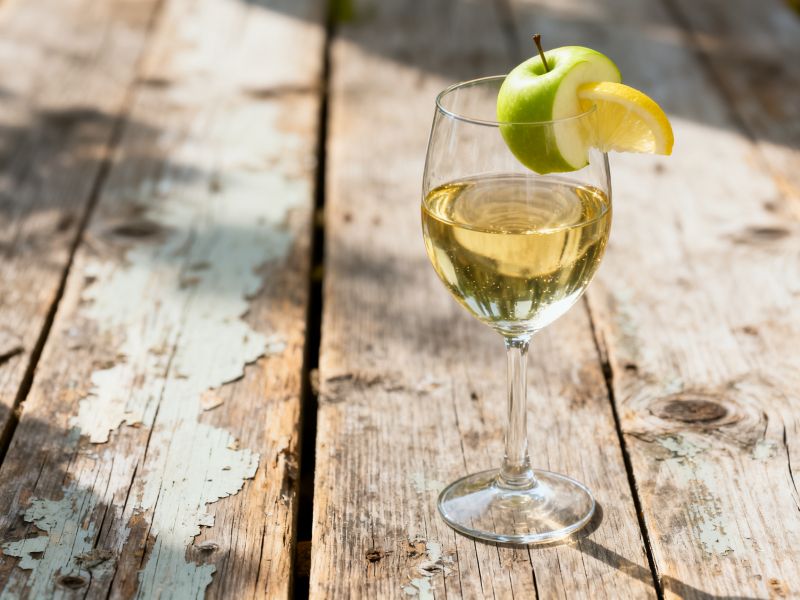
avoid anything with a vague 'Spanish white' tag. A good Vidal should smell like fresh-cut grass and lemon zest, not like a chemistry lab.Serving matters. Overchill it and you'll kill the aromatics. I pull Vidal from the fridge about fifteen minutes before pouring—around 8–10°C is ideal. Skip the fancy decanter;a plain glass is fine. And don't overthink food pairings. Vidal loves anything with a squeeze of lime: ceviche, tacos, even popcorn with chili powder. One observation from my own kitchen: Vidal handles spicy Thai food better than most Sauvignon Blancs because its acidity resets your palate without adding heat. That's a trick worth remembering.Now, a word of caution. Not every Vidal is a winner. Some mass-market versions taste thin and watery。especially those sold in bag-in-box formats. I've poured more than one down the drain. Check the alcohol level—around 11–12% is a safe zone. Higher than that, and the grape's freshness gets muddled. Also, Vidal doesn't age well. Drink it within a year of vintage. If you see a 2019 Vidal on a shelf in 2024, walk away. Trust me on this.For home winemakers, Vidal is a forgiving grape to experiment with. I've helped a friend ferment a small batch in his garage, and it handled cool temperatures without fuss. The resulting wine was rough around the edges but perfectly drinkable—proof that Vidal doesn't demand a PhD in enology. Just keep it clean and don't let it oxidize. If you're curious, buy a bottle from a small producer in Penedès and taste alongside a cheap supermarket version. The difference is night and day.